
When Someone You Love Is Booked at the Alamance County Jail in Graham

When Someone You Love Is Booked at the Alamance County Jail in Graham

The call that someone you love has been arrested in Graham is one of the hardest a person can get, and it almost never comes at a convenient hour. In the first few minutes it is easy to feel lost, unsure where the person is, what happens next, or what it will take to bring them home. The process has a clear shape once someone explains it plainly, and that is what a bail bondsman in Graham is there to do. This is a calm walk through what happens after an arrest in Alamance County and how a family can take the next step with steady footing.

Before anything else, it helps to hold on to one fact: an arrest is not a conviction. Under North Carolina law a person is presumed innocent unless and until the case is decided in court, and the steps that follow an arrest are part of a legal process, not a judgment of the person. Keeping that in mind makes the hours ahead easier to think through, and it is the spirit in which Apex Bail Bonds, a family-owned company led by owner Fred Shanks IV, works with every family that calls.

Where Your Loved One Is Taken

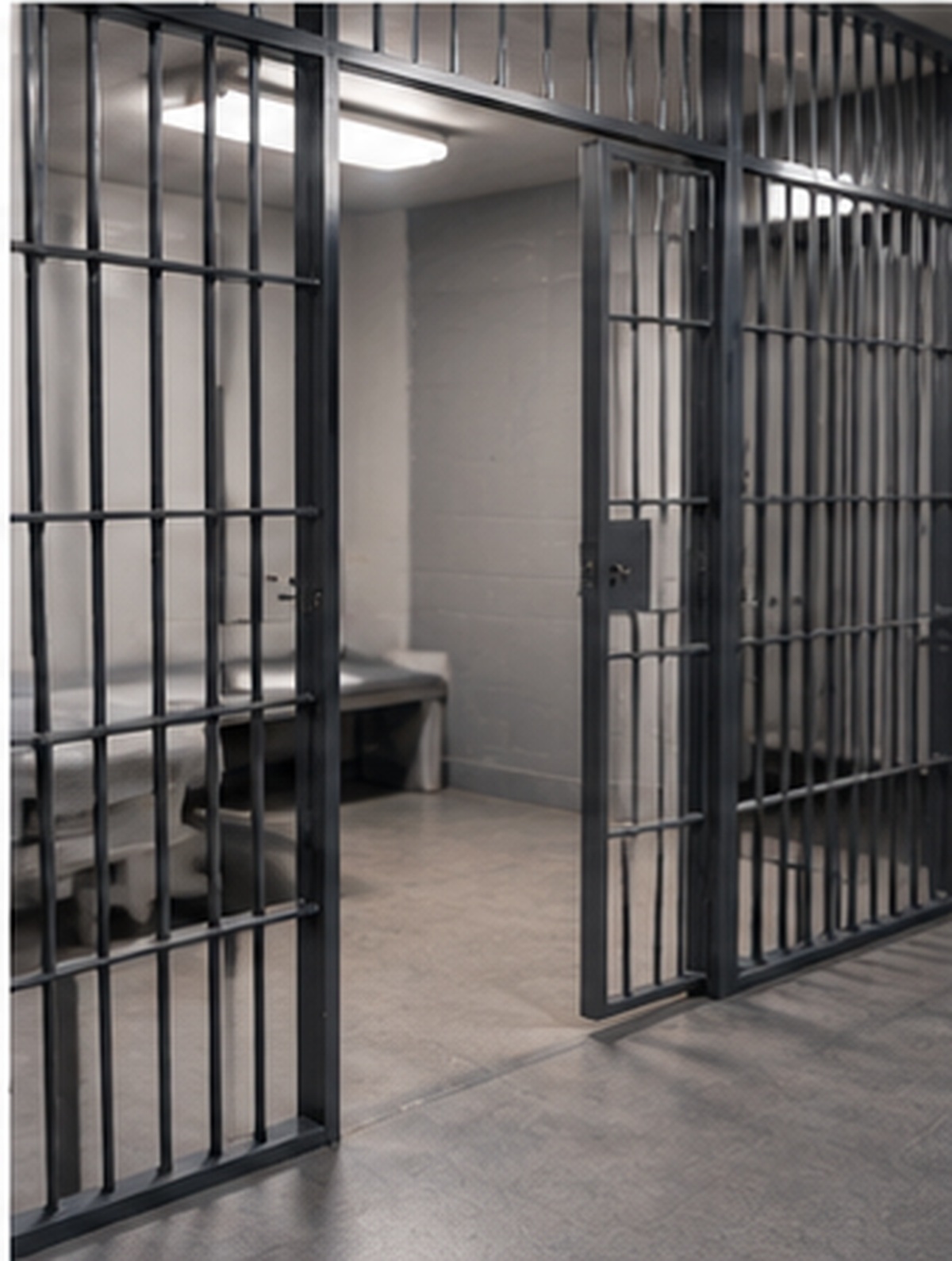
When someone is arrested in Graham or elsewhere in Alamance County, they are usually taken to the Alamance County Detention Center, located at 109 South Maple Street in Graham and operated alongside the Alamance County Sheriff's Office. There they go through booking, the intake process where their information is recorded. The first useful thing a family can do is confirm that their loved one is being held there, which the detention center can verify. Knowing where the person is turns a frightening unknown into a concrete starting point, and it is the information a bondsman needs to begin helping.

Graham is the county seat of Alamance County, and the courthouse and jail sit close together near the center of town. Apex Bail Bonds keeps its Graham office at 120 South Main Street, Suite 240, roughly two blocks from the detention center, which matters at a moment when minutes feel long. A bail bondsman in Graham who works these local facilities every day knows the people and the process, and that familiarity helps a family move from the first phone call to a clear plan without wasted time or confusion.

How Bail Is Set in Alamance County

After booking, a magistrate sets the conditions of release. A magistrate is a judicial officer who, under Chapter 15A of the North Carolina General Statutes, decides how a person may be released while their case moves forward. The magistrate may allow release on a written promise to appear, an unsecured bond, a cash bond, or a secured bail bond, depending on the circumstances. It is important to understand that the magistrate, not the bondsman, sets the bail amount and the conditions. No bail bondsman in Graham can promise a particular amount or a release, because those decisions belong to the court.

Once the magistrate has set a secured bail amount, a family has a decision to make. Paying the full amount in cash to the court is one option, but for many families that figure is out of reach. A secured bail bond is the alternative, where a licensed bondsman posts the bond with the court on the family's behalf in exchange for a premium, which is a service fee set as a percentage of the bail amount. This is the point where most families in Alamance County turn to a bondsman, and where understanding the process matters most. If you are facing this decision right now, you can call (336) 394-8890 to have it explained plainly before you commit to anything.
What a Bondsman Actually Does for You

A bail bondsman in Graham does more than post a number. The work begins with gathering the booking information and verifying the bond amount and charges with the jail, so the family has accurate facts rather than guesses. The bondsman then explains how a secured bail bond works, what the premium is, and what the co-signer, also called the indemnitor, is agreeing to. The co-signer is the person who signs financial responsibility for the bond, and a careful bondsman makes sure that person understands the obligation before anyone signs. Clear explanation is the heart of the service, especially for a family going through this for the first time.

From there, the bondsman handles the paperwork and posts the bond with the court, after which the jail begins the release process. Apex Bail Bonds can also dispatch the nearest bondsman to the detention facility, which helps when speed matters. Because the company holds longstanding working relationships with the local courts, jails, and magistrates in Alamance County, it understands the rhythm of how release is processed here. None of this changes the court's decisions, but it means the parts a family can control are handled by someone who does this work every day.

The First Steps a Family Can Take

In the first hour after an arrest, a few calm actions make the rest easier. Confirm where your loved one is being held, which is usually the Alamance County Detention Center for a Graham arrest. Write down the person's full legal name and date of birth, which the jail will need. Find out, when you can, the charges and whether bail has been set yet. Avoid discussing the details of the case over a recorded jail phone line. And call a licensed bail bondsman who can verify the bond and explain the options before any money changes hands.

It is also worth knowing what a bondsman cannot and should not do. A bail bondsman is not a lawyer and does not give legal advice. Questions about the charges, the defense, or what may happen in court belong with a licensed attorney, and Apex can provide lawyer referrals where that helps. Keeping the roles clear, the bondsman for the bond and the attorney for the case, protects the family and the person in custody. A bondsman who stays in that lane and routes legal questions to counsel is one a family can trust.

Where the Case Goes From Here

Once a loved one is released, the case itself continues, and the courthouse becomes the next place that matters. Alamance County criminal cases are handled at the Judge J. B. Allen Jr. Criminal Courthouse at 212 West Elm Street in Graham, a short distance from both the jail and the Apex office. The person released on bond has a duty to appear at every scheduled court date, and missing one can lead to the bond being forfeited and a warrant issued. A bail bondsman in Graham makes sure the family and the defendant understand that obligation clearly, because keeping those dates is the single most important thing after release.

Staying on top of court dates is easier with a little support, and this is one area where a local bondsman adds steady help. Apex Bail Bonds offers automated court date reminders by text, a small service that makes a real difference for a family juggling a stressful situation. The reminders are not legal advice and do not replace the court's own notices, but they give a family one more way to avoid the costly mistake of a missed appearance. A bail bondsman in Graham who stays in touch after release, rather than disappearing once the bond is posted, is one that treats the family as more than a transaction.

Why Families in Alamance County Call a Local Bondsman

When the clock is the enemy, local knowledge matters. A bail bondsman in Graham who works the Alamance County Detention Center and the local courts every day knows how booking and release are processed here, who to speak with, and what the paperwork requires. That familiarity does not change the court's decisions, but it helps the parts a family can control move without fumbling. A company unfamiliar with the local facilities can lose time learning on the family's behalf, and in these hours time is the thing a worried family feels most.

There is also the human side, which a frightened family feels as much as the logistics. Apex Bail Bonds is a family-owned company, led by owner Fred Shanks IV, and it approaches each call with the understanding that the person on the phone is usually scared, embarrassed, and acting for someone they love. A good bail bondsman in Graham answers questions patiently, never judges the person in custody, and remembers the presumption of innocence in both word and tone. For many Alamance County families, that calm, respectful treatment at the worst moment of their week is the reason they call a local company rather than a distant one.

Help Is Available Right Now in Graham

No family should have to work through an arrest alone or wait until morning to understand their options. Apex Bail Bonds is a licensed North Carolina bail bond company, NCDOI license 18812863 and a member of the North Carolina Bail Agents Association, open 24 hours a day, 7 days a week, including holidays, with a Graham office two blocks from the detention center. As a bail bondsman in Graham, the family-owned team led by Fred Shanks IV explains the process with patience and handles the parts a family can control. To talk through a loved one's situation, reach Apex Bail Bonds for a free consultation. Call (336) 394-8890 any hour, or visit www.apexbailbond.com/graham-nc.

Redirect to:

  • From an alternative name: This is a redirect from a title that is another name or identity such as an alter ego, a nickname, or a synonym of the target, or of a name associated with the target.
    • This redirect leads to the title in accordance with the naming conventions for common names to aid searches and writing. It is not necessary to replace these redirected links with a piped link.
    • If this redirect is an incorrect name for the target, then R from incorrect name should be used instead.


Graham, North Carolina is located in the United States
Graham, North Carolina
Location within the United States
Graham, North Carolina
Alamance County Courthouse
Official seal of Graham, North Carolina
Location of Graham, North Carolina
Graham, North Carolina is located in North Carolina
Graham, North Carolina
Location within North Carolina

Coordinates: 36°03′30″N 79°23′20″W / 36.05833°N 79.38889°W / 36.05833; -79.38889Country United StatesState North CarolinaCountyAlamanceFounded1849Incorporated1851Named forWilliam A. Graham[1]Government


 • MayorChelsea DickeyArea

 • Total

10.49 sq mi (27.17 km2) • Land10.42 sq mi (26.99 km2) • Water0.069 sq mi (0.18 km2)Elevation

594 ft (181 m)Population

 (2020)
 • Total

17,157 • Density1,646.4/sq mi (635.66/km2)Time zoneUTC−5 (Eastern (EST)) • Summer (DST)UTC−4 (EDT)ZIP code

27253

Area code336FIPS code37-27280[4]GNIS feature ID2403722[3]Websitecityofgraham.com

Graham is a city and the county seat of Alamance County, North Carolina, United States. It is part of the Burlington, North Carolina Metropolitan Statistical Area. As of the 2020 census the population was 17,153.[5][6]

History

[edit]

Graham was laid out in 1849 as the county seat of the newly formed Alamance County, and was incorporated as a town in 1851; it became a city in 1961. It was named for William Alexander Graham, U.S. senator from North Carolina (1840–1843) and governor of North Carolina (1845–1849).

The lynching of Wyatt Outlaw, the first African-American Town Commissioner and Constable of Graham, on February 26, 1870, by the Ku Klux Klan, along with the assassination of State Senator John W. Stephens at the Caswell County Courthouse, provoked Governor William Woods Holden to declare martial law in Alamance and Caswell Counties, resulting in the Kirk-Holden War of 1870.[7][8]

National Register of Historic Places

[edit]

Alamance County Courthouse, Cedarock Park Historic District, Graham Historic District, William P. Morrow House, North Main Street Historic District, and Oneida Cotton Mills and Scott-Mebane Manufacturing Company Complex are listed on the National Register of Historic Places.[9][10]

Geography

[edit]

Graham is bordered to the north and the west by the city of Burlington and to the northeast by the town of Haw River. The Haw River runs along the east edge of Graham, and the city extends south as far as Alamance Creek. Interstate 85 runs through the city, leading east to Durham and west to Greensboro.

According to the United States Census Bureau, the city has a total area of 9.7 square miles (25.1 km2), of which 9.6 square miles (24.9 km2) is land and 0.077 square miles (0.2 km2), or 0.67%, is water.[11]

Climate

[edit]

The climate in this area is characterized by relatively high temperatures and evenly distributed precipitation throughout the year. According to the Köppen Climate Classification system, Graham has a Humid subtropical climate, abbreviated "Cfa" on climate maps.[12]

Education

[edit]

The local school system is known as the Alamance-Burlington School System, which was created by a merger between the Alamance County School System and the Burlington City School System in 1996.

Local public schools in Graham include:

Private schools include:

  • Alamance Christian School

Graham is also home to Alamance Community College, a two-year technical college.

Demographics

[edit]
Historical population
Census Pop. Note %±
1870 502   —
1880 379   −24.5%
1890 991   161.5%
1900 2,052   107.1%
1910 2,504   22.0%
1920 2,366   −5.5%
1930 2,972   25.6%
1940 4,339   46.0%
1950 5,026   15.8%
1960 7,723   53.7%
1970 8,172   5.8%
1980 8,674   6.1%
1990 10,426   20.2%
2000 12,833   23.1%
2010 14,153   10.3%
2020 17,157   21.2%
2025 (est.) 20,131 [13] Increase 17.3%
U.S. Decennial Census[14][15]

2020 census

[edit]

As of the 2020 census, Graham had a population of 17,157. The median age was 38.7 years. 21.9% of residents were under the age of 18 and 16.8% of residents were 65 years of age or older. For every 100 females there were 88.7 males, and for every 100 females age 18 and over there were 85.1 males age 18 and over.[16][17]

99.1% of residents lived in urban areas, while 0.9% lived in rural areas.[18]

There were 7,199 households in Graham, including 3,962 families. Of all households, 29.2% had children under the age of 18 living in them, 36.7% were married-couple households, 18.4% were households with a male householder and no spouse or partner present, and 37.9% were households with a female householder and no spouse or partner present. About 33.2% of all households were made up of individuals and 12.4% had someone living alone who was 65 years of age or older.[16]

There were 7,840 housing units, of which 8.2% were vacant. The homeowner vacancy rate was 2.7% and the rental vacancy rate was 8.2%.[16]

Graham racial composition[19][17]
Race Number Percentage
White (non-Hispanic) 8,420 49.08%
Black or African American (non-Hispanic) 4,426 25.8%
Native American 82 0.48%
Asian 222 1.29%
Pacific Islander 6 0.03%
Other/Mixed 788 4.59%
Hispanic or Latino 3,213 18.73%

2000 census

[edit]

At the 2000 census there were 12,833 people, 5,241 households, and 3,385 families living in the city. The population density was 1,579.3 inhabitants per square mile (609.8/km2). There were 5,685 housing units at an average density of 699.6 units per square mile (270.1 units/km2). The racial composition of the city was: 72.88% White, 21.64% Black or African American, 10.14% Hispanic or Latino American, 0.73% Asian American, 0.44% Native American, 0.0% Native Hawaiian or Other Pacific Islander, 3.19% some other race, and 1.12% two or more races.[4] Of the 5,241 households 29.9% had children under the age of 18 living with them, 44.0% were married couples living together, 16.2% had a female householder with no husband present, and 35.4% were non-families. 30.1% of households were one person and 11.8% were one person aged 65 or older. The average household size was 2.37 and the average family size was 2.91.

The age distribution was 24.0% under the age of 18, 9.9% from 18 to 24, 31.8% from 25 to 44, 20.1% from 45 to 64, and 14.1% 65 or older. The median age was 34 years. For every 100 females, there were 90.1 males. For every 100 females age 18 and over, there were 86.4 males.

The median household income was $35,706 and the median family income was $40,769. Males had a median income of $27,844 versus $22,163 for females. The per capita income for the city was $17,865. About 11.9% of families and 14.9% of the population were below the poverty line, including 19.8% of those under age 18 and 14.9% of those age 65 or over.

Controversies

[edit]

In 2026, public records requests by The Alamance News revealed that Graham city council members communicated by email and text about issues such as plans to relocate Sesquicentennial Park and data from Flock cameras, in apparent violation of the state's open meeting laws.[20][21]

Notable people

[edit]

References

[edit]
  1. ^ "North Carolina Gazetteer". Retrieved November 24, 2023.
  2. ^ "ArcGIS REST Services Directory". United States Census Bureau. Retrieved September 20, 2022.
  3. ^ a b U.S. Geological Survey Geographic Names Information System: Graham, North Carolina
  4. ^ a b "U.S. Census website". United States Census Bureau. Retrieved January 31, 2008.
  5. ^ "City and Town Population Totals: 2020-2021". Census.gov. US Census Bureau. Retrieved July 9, 2022.
  6. ^ "Find a County". National Association of Counties. Archived from the original on May 31, 2011. Retrieved June 7, 2011.
  7. ^ Troxler, Carole Watterson and William Murray Vincent (1999). Shuttle & Plow: A History of Alamance County, North Carolina. Alamance County Historical Association.
  8. ^ The Hillsboro Recorder, April 6, 1870.
  9. ^ "National Register Information System". National Register of Historic Places. National Park Service. July 9, 2010.
  10. ^ "National Register of Historic Places Listings" (PDF). Weekly List of Actions Taken on Properties: 6/09/14 through 6/13/14. National Park Service. June 20, 2014.
  11. ^ "Geographic Identifiers: 2010 Demographic Profile Data (G001): Graham city, North Carolina". U.S. Census Bureau, American Factfinder. Retrieved June 28, 2013.cite web: CS1 maint: deprecated archival service (link)
  12. ^ Climate Summary for Graham, North Carolina
  13. ^ "2025 City and town population estimates: North Carolina". U.S. Census Bureau. May 14, 2026. Retrieved May 22, 2025.
  14. ^ "Census of Population and Housing". Census.gov. Retrieved June 4, 2015.
  15. ^ "Census of Population and Housing". Census.gov. Retrieved June 4, 2016.
  16. ^ a b c "2020 Decennial Census Demographic Profile (DP1)". United States Census Bureau. 2021. Retrieved April 25, 2026.
  17. ^ a b "2020 Decennial Census Redistricting Data (Public Law 94-171)". United States Census Bureau. 2021. Retrieved April 25, 2026.
  18. ^ "2020 Decennial Census Demographic and Housing Characteristics (DHC)". United States Census Bureau. 2023. Retrieved April 25, 2026.
  19. ^ "Explore Census Data". data.census.gov. Retrieved December 20, 2021.
  20. ^ Alamance News Staff (March 22, 2026). "Email & text discussions among Graham city council members appear to violate Open Meetings Law". alamancenews.com. Retrieved March 31, 2026.
  21. ^ Harper, Ellie (March 23, 2026). "Graham Council Members' Emails, Texts Raise Open-Meetings Concerns". Prism News. Retrieved March 31, 2026.
[edit]


Frequently Asked Questions

Yes. Under Virginia Code Section 19.2-128, a willful failure to appear is charged on top of the original case. If the original charge was a misdemeanor, the failure to appear is a Class 1 misdemeanor. If it was a felony, the failure to appear is a Class 6 felony. The word willful matters, and a documented emergency can affect how a judge views the absence.

Virginia Code Section 19.2-143 gives a 150-day window. If the defendant is brought back before the court within 150 days of the finding of default, the court dismisses the default on motion. After that, the bond is recorded as forfeited. This deadline is why returning to court quickly protects both the defendant and any co-signer on the bond.

No. Under Virginia Code 9.1-185.8, a Virginia bail bondsman cannot lend money at interest for bail. A legitimate Virginia payment plan is an interest-free installment arrangement on the premium, not a loan. Any Danville offer of a bail loan with interest would violate Virginia law, which is why Apex keeps its payment plans free of interest and hidden fees.